

Protecting Our Mental Health Amidst a Pandemic
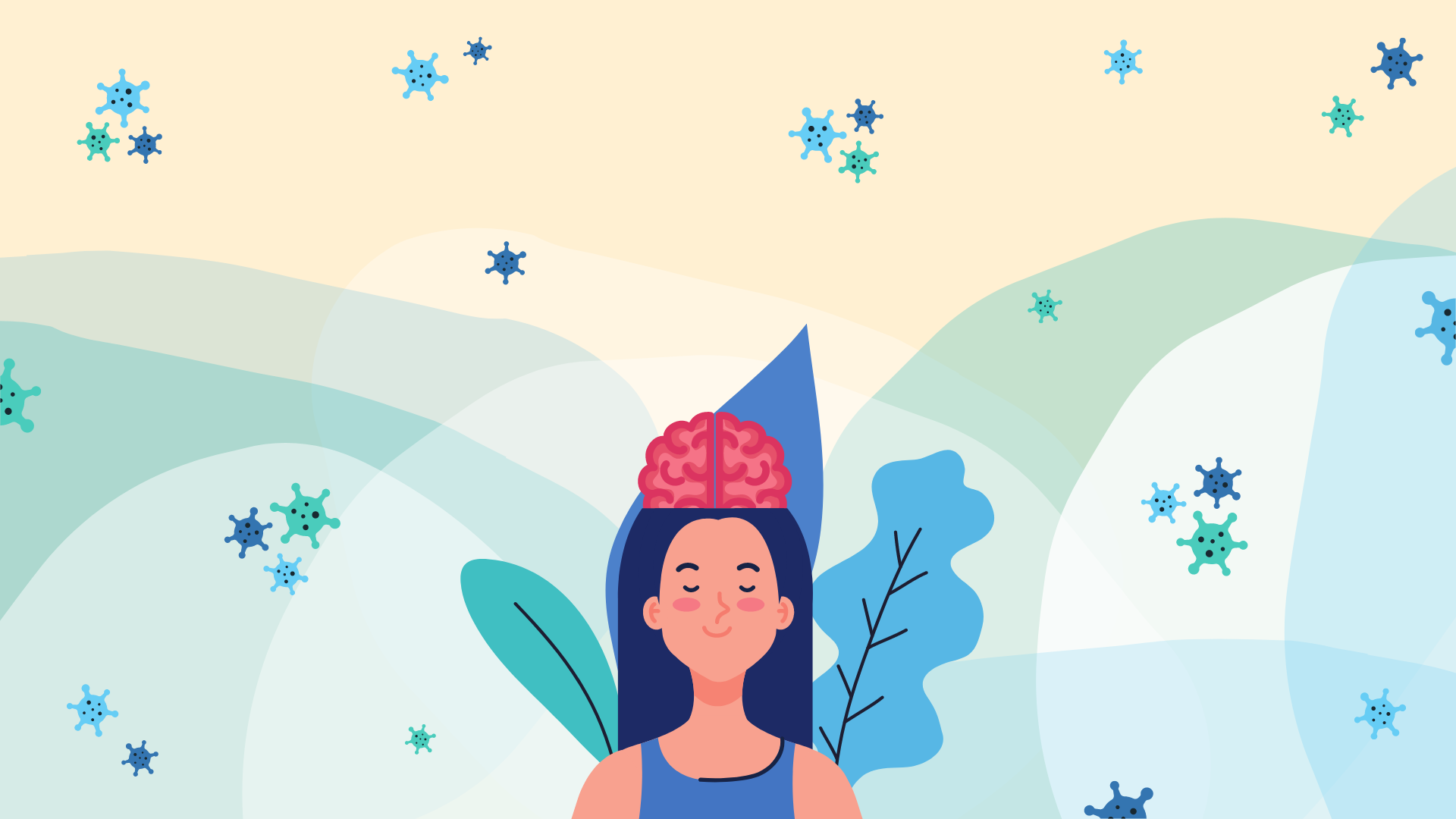
In 2019, the sudden pandemic was the source of significant psychological stress for all. No one was spared from the physical and mental implications it inflicted. Negative emotions such as anxiety, panic, worry, pessimism, apathy and weariness were experienced by many. More and more people were suffering from depression and insomnia. As mental and physical illnesses are fundamentally linked, so our psychological immune system affects our body’s immunity. A healthy and emotionally stable mind serves as an important barrier against the virus.
Confronted with this pandemic, how can we better protect ourselves mentally?
Return to the foundation of the Truth, and rest in the Lord. Allowing the heart to be truly settled and rested makes for a solid foundation to safeguarding mental health.
Know the Truth and Lay a Solid Foundation.
The stress we feel is influenced by 2 important factors: whether it was of voluntary choosing; and whether it is within our control. The outbreak of the pandemic and our need to adapt to a new normal was neither of our voluntary choosing, nor something we had much control over; inevitably, great stresses were experienced.
But the Word of God has foretold us of the increasing catastrophes and sufferings the world is to experience before His Kingdom returns, which is akin to the labour pains a woman feels prior to the welcoming of a new life. In John 16:33, Jesus said to His disciples: “I have said these things to you, that in me you may have peace. In the world you will have tribulation. But take heart; I have overcome the world.” Isaiah 30:15 also writes: “In returning and rest you shall be saved; in quietness and in trust shall be your strength.”
Christ is in control of everything and He is our eternal Rock. Return to the foundation of the Truth, and rest in the Lord. Allowing the heart to be truly settled and rested makes for a solid foundation to safeguarding mental health.
Accept the Status Quo and Manage Emotions.
Various experiences brought on by the pandemic are external stimuli that are outside of our control. Yet, we are fully in control of how we view them. Learning to look at a matter from different angles and levels helps to develop mental toughness and safeguard our mental health. Negative emotional reactions are unavoidable in the face of a pandemic, but rather than trying to escape with suppression, why not deal with our emotions with positivity? After all, God granted for us to have emotions.
3 steps to coping with negative emotions: 1) Accept and guide the emotions; 2) Analyse and rationalise the matter at hand; 3) Take practical steps toward improvement.
Usually, an external stimulus is transmitted to the emotional side of the brain faster than to the rational side of the brain. As a result, when an event occurs, emotions of all kinds are typically triggered before the mind can rationally analyse it. We need to acknowledge these emotions. Just as a ship sails on the sea and concurs to the frequency of the waves instead of resisting it; follow along with the ups and downs of our emotions and they will eventually come to pass. First, accept and then guide the emotions; then, analyse and rationalise it.
Regardless of our circumstances, our heavenly Father will never leave nor forsake us. Come before Him in humility, let go of your self-assertion, and let the Sovereignty of God take over. His power is made perfect in our weaknesses. Surely, our heavenly Father is walking alongside us and helping us to grow in spiritual maturity amidst our circumstances. Let life take root and bear its fruit.
For individuals who are more prone to feeling anxious, it is encouraged that they deal with their anxiety within set boundaries.
In this process, doodling, squeezing on a stress ball, taking deep breaths, and listening to music are all constructive ways of coping with emotions. Developing healthy hobbies also help to maintain physical and mental vitality. Some healthy hobbies could include reading a good book, organising family photo albums, learning to cook new dishes, etc. The 5 tips for regulating our emotions, offered in the Journey to Intimacy emotional intelligence and personal growth curriculum developed by Dr Wei-Jen Huang of Northwestern University School of Medicine, may also be an effective tool for coping with emotions, clearing out mental trash, and protecting mental health.
Avoid unknowingly controlling your family by displaying your negative emotions in front of them, to make up for feelings of lack of control. Rectify the idea of “we are family, so it is okay”. Do not let the home become a courthouse; instead, let it be a harbour of love—a place that faces the truest human emotions, humbles oneself, and nurtures disciples. Of course, we can also take protective measures such as washing our hands and wearing a mask to increase our sense of control, thereby reducing experiences of unnecessary anxiety and negative emotions.
For individuals who are more prone to feeling anxious, it is encouraged that they deal with their anxiety within set boundaries. For instance, only look into pandemic-related news during a fixed time, and for the rest of the time, divert attention to other matters. Care for and help others; do what suits you and brightens your mood. If these methods are ineffective, it is encouraged that professional counselling help is sought.
Don’t Isolate Yourself, Connect with People.
We may be isolated due to the pandemic, but we are not isolated from love. Maintain meaningful connections with people. A study done with 1000 people aged 34-93 found that caring for one another helps to avoid the harms caused by stress. John 15:12 also reads, “This is my commandment, that you love one another as I have loved you.”
As the excitement and joys of telecommuting begin wearing off at about the 9-month mark, a strong sense of isolation, loneliness, and ease of feeling anxious will set in. So spread the love. Maintain and increase connections with people through phones, video messages, etc. This will help the brain to produce more oxytocin (also called the “cuddle hormone”), which regulates social cognition; makes people more willing to support and help others; and also protects our hearts.
Other Tips for Safeguarding our Mental Health
Sleep: A lack of adequate sleep makes maintaining good mental health extra difficult.
Diet: A balanced diet can ensure physical and mental health.
Exercise: Pick indoor or outdoor sports that suit you. They encourage the secretion of neurotransmitters in the brain (such as dopamine, also known as the “happy hormone”) that makes one happy. It will increase the body and mind’s ability to fight the pandemic.
Rather than passively grumbling about the darkness, actively seek the light. Firmly believe that when light enters, darkness will naturally disappear.
Heartfelt wishes of peace and joy for all!

Dr. Li Haining, Grace
Senior Psychology Lecturer and Counsellor
Registered Singapore Educational Institution Psychology Lecturer
Head of Journey to Intimacy International (Singapore)